Buy koerperarbeit.eu ?
We are moving the project
koerperarbeit.eu .
Are you interested in purchasing the domain
koerperarbeit.eu ?
domain@kv-gmbh.de · 0541-91531010
Buy koerperarbeit.eu ?
How does sustainability affect the restriction of freedom of movement?
Sustainability can affect the restriction of freedom of movement by promoting the use of more sustainable modes of transportation such as walking, cycling, or public transportation. This may limit the freedom of individuals to use their personal vehicles as frequently, especially in areas where car use contributes significantly to environmental degradation. Additionally, sustainability measures like car-free zones or congestion pricing may restrict the freedom of movement in certain areas to reduce emissions and promote more sustainable transportation options. Overall, while sustainability efforts may impose some restrictions on freedom of movement, they are necessary to address environmental concerns and create more livable and healthy communities for all. **
How does sustainability impact the restriction of freedom of movement?
Sustainability can impact the restriction of freedom of movement in various ways. For example, implementing sustainable transportation policies may limit the use of private vehicles, which could restrict individuals' freedom to travel wherever and whenever they want. Additionally, conservation efforts to protect natural habitats may lead to restrictions on access to certain areas, limiting people's ability to explore and enjoy those spaces freely. Overall, balancing sustainability goals with individual freedoms requires careful consideration and planning to ensure that both environmental and social needs are met. **


Similar search terms for Sustainability
Top-Angebote
Products related to Sustainability:
-
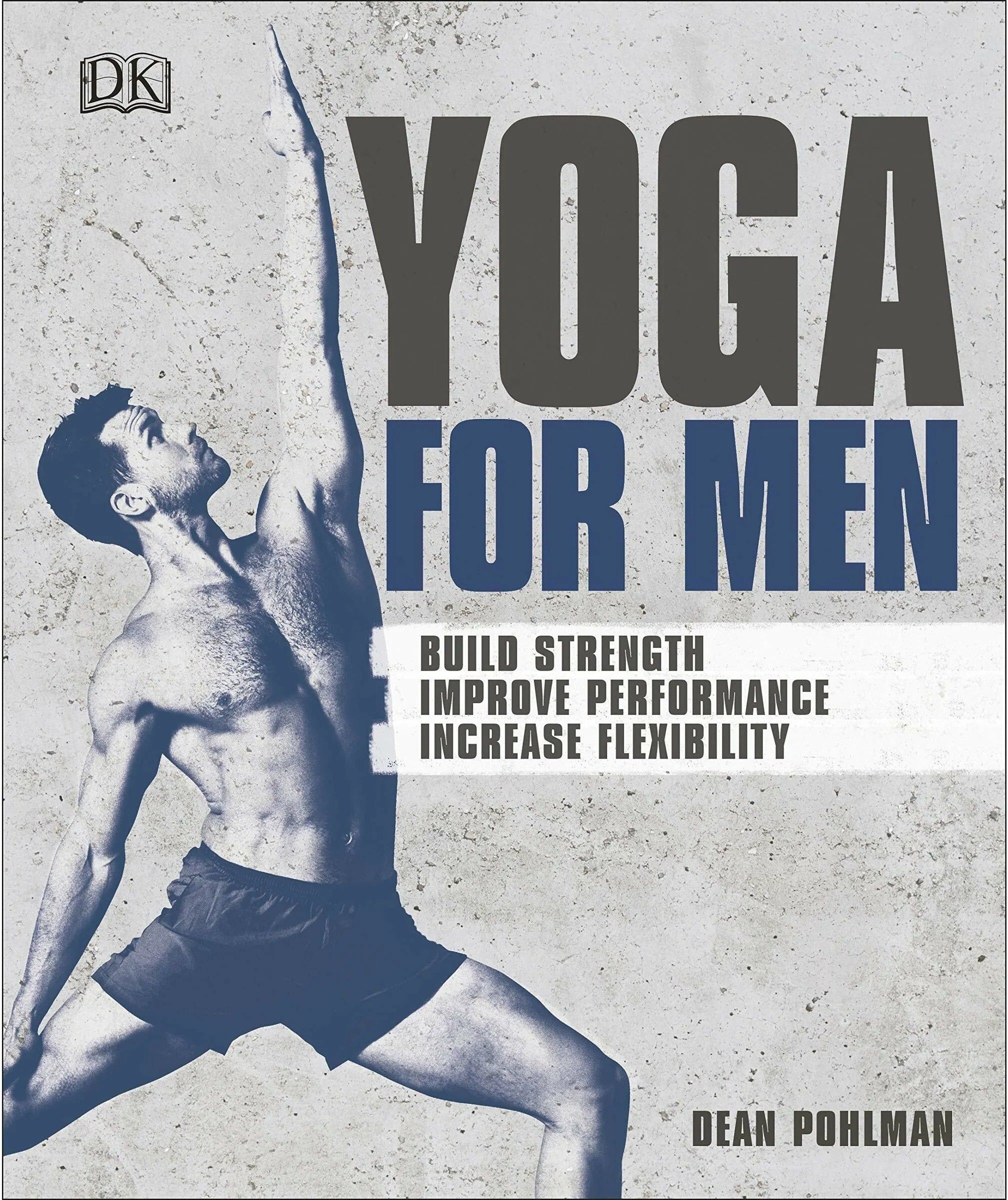
Yoga For Men: Build Strength, Improve Performance, Increase Flexibility by Dean Pohlman - DK Paperback - Men's Fitness & Sports Yoga Guide with 50+Yoga for men: build strength, improve performance with this practical fitness guide. Written by Dean Pohlman, founder of Man Flow Yoga, it strips yoga back to its core for men who train hard. This book treats yoga as a training tool, not a lifestyle change, and provides clear photography and step-by-step instruction for over 50 key postures. It's aimed at the male body and typical male tightness patterns, making every posture approachable for beginners and seasoned athletes alike. With precise coaching cues and full-colour photographs, this guide helps you improve mobility, strengthen your core, reduce injuries, and enhance performance in the gym or on the pitch.9,99 £*Shipping: 2,99 £Secure redirect to the provider
-
Inspire Essentials Sacred Geometry Crystal Set Platonic Solid Healing Stones For Chakra Balance And Energy Alignment 21Feel a deeper sense of calm and connection with this beautifully crafted sacred geometry crystal set, designed to bring harmony into your space and energy into your daily rituals. Each piece represents a Platonic solid, making it perfect for those...184,98 $*Shipping: 0,00 $Secure redirect to the provider


-
What is sustainability?
Sustainability is the ability to meet the needs of the present without compromising the ability of future generations to meet their own needs. It involves finding a balance between social, economic, and environmental factors to ensure that resources are used in a way that preserves them for the long term. This can include practices such as reducing waste, conserving natural resources, and promoting renewable energy sources. Overall, sustainability aims to create a world where people and the planet can thrive together for generations to come. **
-
What distinguishes strong sustainability from the normal concept of sustainability?
Strong sustainability goes beyond the traditional concept of sustainability by emphasizing the importance of maintaining the integrity of natural systems and the well-being of future generations. It recognizes that certain natural resources and ecological processes are irreplaceable and cannot be substituted by human-made alternatives. Strong sustainability also prioritizes the protection of biodiversity and the resilience of ecosystems, rather than solely focusing on reducing environmental impacts or achieving short-term economic gains. In essence, strong sustainability requires a more holistic and long-term approach to environmental and social stewardship, placing a greater emphasis on intergenerational equity and the preservation of essential ecological functions. **
-
What is economic sustainability?
Economic sustainability refers to the ability of an economy to support current and future generations by balancing economic growth with social and environmental responsibility. It involves ensuring that resources are used efficiently and equitably to meet the needs of the present without compromising the ability of future generations to meet their own needs. This includes promoting long-term economic development, reducing inequality, and minimizing negative impacts on the environment. Overall, economic sustainability aims to create a stable and resilient economy that can thrive over the long term. **
-
What are sustainability strategies?
Sustainability strategies are plans and actions implemented by organizations to minimize their negative impact on the environment, society, and economy, while maximizing their positive contributions. These strategies often involve setting goals for reducing carbon emissions, waste, and resource consumption, as well as promoting social responsibility and ethical business practices. Sustainability strategies can also include efforts to engage with stakeholders, such as employees, customers, and local communities, to ensure that their needs and concerns are taken into account. Overall, sustainability strategies aim to create long-term value for both the organization and the broader ecosystem in which it operates. **


How can sustainability be assessed?
Sustainability can be assessed through various methods such as conducting life cycle assessments, measuring environmental impacts, evaluating social and economic factors, and analyzing the overall resilience of a system. Key indicators such as carbon footprint, water usage, biodiversity impact, social equity, and economic viability can be used to evaluate the sustainability of a product, project, or organization. By using a combination of quantitative data, qualitative analysis, and stakeholder engagement, a comprehensive assessment of sustainability can be achieved. Regular monitoring and reporting of these indicators over time can help track progress towards sustainability goals and identify areas for improvement. **
What is the sustainability triangle?
The sustainability triangle is a concept that illustrates the interconnected relationship between social, environmental, and economic factors in achieving sustainability. It emphasizes that for a system or activity to be truly sustainable, it must balance and integrate these three dimensions effectively. By considering the social, environmental, and economic impacts of our actions, we can work towards creating a more sustainable future for both current and future generations. **
Top-Angebote
Products related to Sustainability:
-
Yoga For Men: Build Strength, Improve Performance, Increase Flexibility by Dean Pohlman - DK Paperback - Men's Fitness & Sports Yoga Guide with 50+Yoga for men: build strength, improve performance with this practical fitness guide. Written by Dean Pohlman, founder of Man Flow Yoga, it strips yoga back to its core for men who train hard. This book treats yoga as a training tool, not a lifestyle change, and provides clear photography and step-by-step instruction for over 50 key postures. It's aimed at the male body and typical male tightness patterns, making every posture approachable for beginners and seasoned athletes alike. With precise coaching cues and full-colour photographs, this guide helps you improve mobility, strengthen your core, reduce injuries, and enhance performance in the gym or on the pitch.9,99 £*Shipping: 2,99 £Secure redirect to the provider
-
Inspire Essentials Sacred Geometry Crystal Set Platonic Solid Healing Stones For Chakra Balance And Energy Alignment 21Feel a deeper sense of calm and connection with this beautifully crafted sacred geometry crystal set, designed to bring harmony into your space and energy into your daily rituals. Each piece represents a Platonic solid, making it perfect for those...184,98 $*Shipping: 0,00 $Secure redirect to the provider
-
How does sustainability affect the restriction of freedom of movement?
Sustainability can affect the restriction of freedom of movement by promoting the use of more sustainable modes of transportation such as walking, cycling, or public transportation. This may limit the freedom of individuals to use their personal vehicles as frequently, especially in areas where car use contributes significantly to environmental degradation. Additionally, sustainability measures like car-free zones or congestion pricing may restrict the freedom of movement in certain areas to reduce emissions and promote more sustainable transportation options. Overall, while sustainability efforts may impose some restrictions on freedom of movement, they are necessary to address environmental concerns and create more livable and healthy communities for all. **
-
How does sustainability impact the restriction of freedom of movement?
Sustainability can impact the restriction of freedom of movement in various ways. For example, implementing sustainable transportation policies may limit the use of private vehicles, which could restrict individuals' freedom to travel wherever and whenever they want. Additionally, conservation efforts to protect natural habitats may lead to restrictions on access to certain areas, limiting people's ability to explore and enjoy those spaces freely. Overall, balancing sustainability goals with individual freedoms requires careful consideration and planning to ensure that both environmental and social needs are met. **
-
What is sustainability?
Sustainability is the ability to meet the needs of the present without compromising the ability of future generations to meet their own needs. It involves finding a balance between social, economic, and environmental factors to ensure that resources are used in a way that preserves them for the long term. This can include practices such as reducing waste, conserving natural resources, and promoting renewable energy sources. Overall, sustainability aims to create a world where people and the planet can thrive together for generations to come. **
-
What distinguishes strong sustainability from the normal concept of sustainability?
Strong sustainability goes beyond the traditional concept of sustainability by emphasizing the importance of maintaining the integrity of natural systems and the well-being of future generations. It recognizes that certain natural resources and ecological processes are irreplaceable and cannot be substituted by human-made alternatives. Strong sustainability also prioritizes the protection of biodiversity and the resilience of ecosystems, rather than solely focusing on reducing environmental impacts or achieving short-term economic gains. In essence, strong sustainability requires a more holistic and long-term approach to environmental and social stewardship, placing a greater emphasis on intergenerational equity and the preservation of essential ecological functions. **
Similar search terms for Sustainability
-
Inspire Essentials Sacred Geometry Crystal Set Platonic Solid Healing Stones For Chakra Balance And Energy Alignment 11Feel a deeper sense of calm and connection with this beautifully crafted sacred geometry crystal set, designed to bring harmony into your space and energy into your daily rituals. Each piece represents a Platonic solid, making it perfect for those...184,98 $*Shipping: 0,00 $Secure redirect to the provider
-
Inspire Essentials Sacred Geometry Crystal Set Platonic Solid Healing Stones For Chakra Balance And Energy Alignment 20Feel a deeper sense of calm and connection with this beautifully crafted sacred geometry crystal set, designed to bring harmony into your space and energy into your daily rituals. Each piece represents a Platonic solid, making it perfect for those...184,98 $*Shipping: 0,00 $Secure redirect to the provider
-
What is economic sustainability?
Economic sustainability refers to the ability of an economy to support current and future generations by balancing economic growth with social and environmental responsibility. It involves ensuring that resources are used efficiently and equitably to meet the needs of the present without compromising the ability of future generations to meet their own needs. This includes promoting long-term economic development, reducing inequality, and minimizing negative impacts on the environment. Overall, economic sustainability aims to create a stable and resilient economy that can thrive over the long term. **
-
What are sustainability strategies?
Sustainability strategies are plans and actions implemented by organizations to minimize their negative impact on the environment, society, and economy, while maximizing their positive contributions. These strategies often involve setting goals for reducing carbon emissions, waste, and resource consumption, as well as promoting social responsibility and ethical business practices. Sustainability strategies can also include efforts to engage with stakeholders, such as employees, customers, and local communities, to ensure that their needs and concerns are taken into account. Overall, sustainability strategies aim to create long-term value for both the organization and the broader ecosystem in which it operates. **
-
How can sustainability be assessed?
Sustainability can be assessed through various methods such as conducting life cycle assessments, measuring environmental impacts, evaluating social and economic factors, and analyzing the overall resilience of a system. Key indicators such as carbon footprint, water usage, biodiversity impact, social equity, and economic viability can be used to evaluate the sustainability of a product, project, or organization. By using a combination of quantitative data, qualitative analysis, and stakeholder engagement, a comprehensive assessment of sustainability can be achieved. Regular monitoring and reporting of these indicators over time can help track progress towards sustainability goals and identify areas for improvement. **
-
What is the sustainability triangle?
The sustainability triangle is a concept that illustrates the interconnected relationship between social, environmental, and economic factors in achieving sustainability. It emphasizes that for a system or activity to be truly sustainable, it must balance and integrate these three dimensions effectively. By considering the social, environmental, and economic impacts of our actions, we can work towards creating a more sustainable future for both current and future generations. **
* All prices are inclusive of VAT and, if applicable, plus shipping costs. The offer information is based on the details provided by the respective shop and is updated through automated processes. Real-time updates do not occur, so deviations can occur in individual cases. ** Note: Parts of this content were created by AI.