Buy koerperarbeit.eu ?
We are moving the project
koerperarbeit.eu .
Are you interested in purchasing the domain
koerperarbeit.eu ?
domain@kv-gmbh.de · 0541-91531010
Buy koerperarbeit.eu ?
How many keys does a harpsichord have?
A harpsichord typically has between 60 to 90 keys, depending on the specific type and design of the instrument. These keys are used to produce different pitches and tones by plucking the strings inside the instrument. The keys are arranged in a similar fashion to a piano, with the lower notes on the left and the higher notes on the right. **
What is the difference between piano and harpsichord?
The main difference between a piano and a harpsichord lies in how the sound is produced. In a piano, pressing a key causes a hammer to strike the strings, producing sound. On the other hand, in a harpsichord, pressing a key plucks a string with a small piece of quill, producing a more delicate and distinct sound. Additionally, pianos have a wider range of dynamics and expression due to their ability to play both softly and loudly, while harpsichords have a more limited dynamic range. **
Similar search terms for Harpsichord
Top-Angebote
Products related to Harpsichord:
-
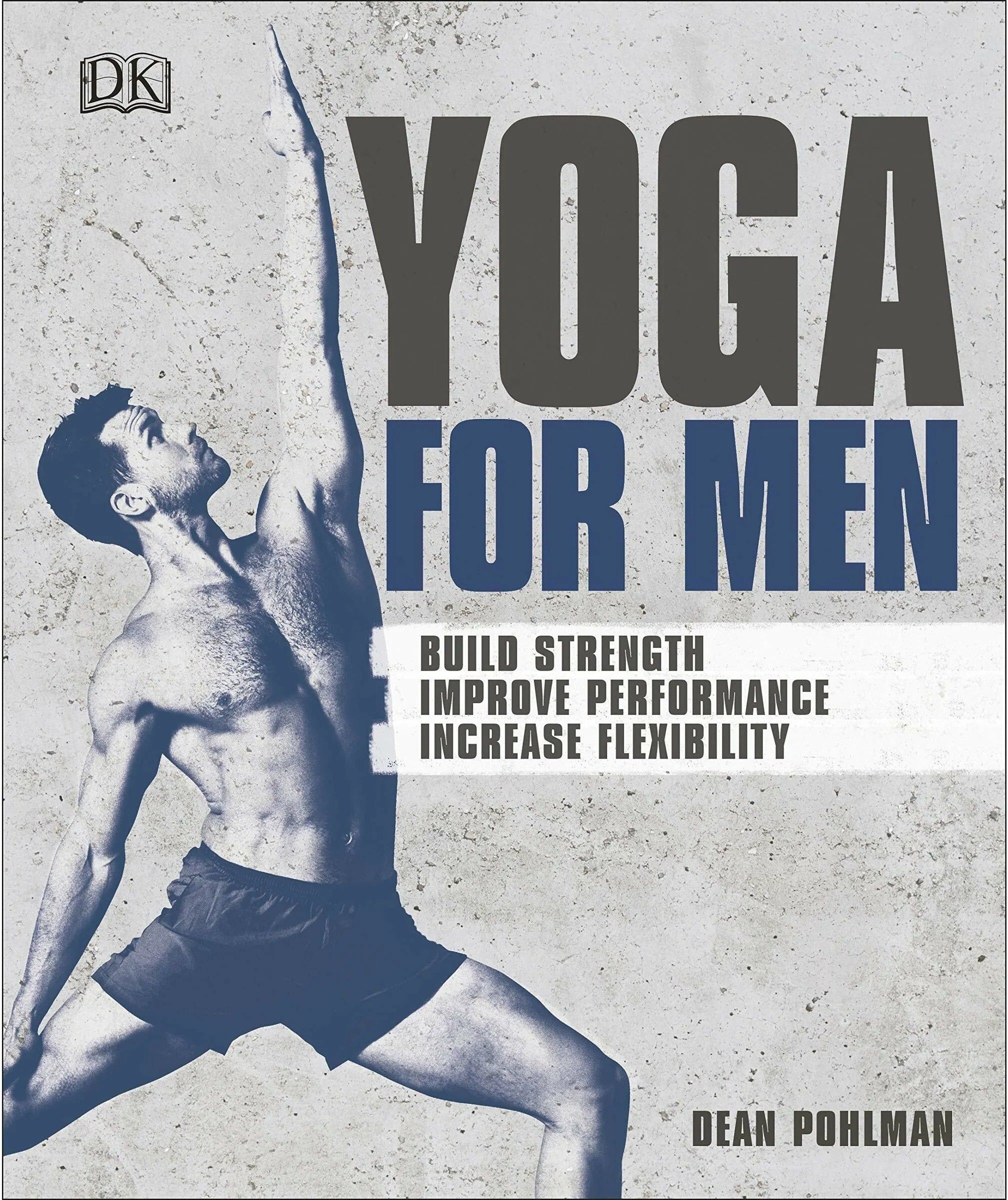
Yoga For Men: Build Strength, Improve Performance, Increase Flexibility by Dean Pohlman - DK Paperback - Men's Fitness & Sports Yoga Guide with 50+Yoga for men: build strength, improve performance with this practical fitness guide. Written by Dean Pohlman, founder of Man Flow Yoga, it strips yoga back to its core for men who train hard. This book treats yoga as a training tool, not a lifestyle change, and provides clear photography and step-by-step instruction for over 50 key postures. It's aimed at the male body and typical male tightness patterns, making every posture approachable for beginners and seasoned athletes alike. With precise coaching cues and full-colour photographs, this guide helps you improve mobility, strengthen your core, reduce injuries, and enhance performance in the gym or on the pitch.9,99 £*Shipping: 2,99 £Secure redirect to the provider
-
Inspire Essentials Sacred Geometry Crystal Set Platonic Solid Healing Stones For Chakra Balance And Energy Alignment 21Feel a deeper sense of calm and connection with this beautifully crafted sacred geometry crystal set, designed to bring harmony into your space and energy into your daily rituals. Each piece represents a Platonic solid, making it perfect for those...184,98 $*Shipping: 0,00 $Secure redirect to the provider


-
What are some good harpsichord pieces to learn?
Some good harpsichord pieces to learn include J.S. Bach's "French Suite No. 5 in G major" and "English Suite No. 2 in A minor," as well as Domenico Scarlatti's "Sonata in D minor, K. 9" and "Sonata in E major, K. 380." Additionally, Rameau's "Pieces de Clavecin" and Couperin's "Ordres" are also popular choices for harpsichord players. These pieces showcase a variety of styles and techniques that are essential for mastering the harpsichord repertoire. **
-
Which good harpsichord pieces are there to learn?
There are many great harpsichord pieces to learn, but some popular choices include J.S. Bach's "Goldberg Variations," "French Suites," and "English Suites." Other notable composers for the harpsichord include Domenico Scarlatti, whose sonatas are challenging and rewarding to play. Additionally, Rameau's harpsichord works, such as his "Pièces de clavecin," are also highly regarded for their complexity and beauty. **
-
What are the differences between piano, clavichord, and harpsichord?
The piano, clavichord, and harpsichord are all keyboard instruments, but they differ in their mechanisms and sound production. The piano uses hammers to strike strings when keys are pressed, allowing for dynamic expression and a wide range of volume. The clavichord produces sound by small brass blades striking strings when keys are pressed, resulting in a softer and more intimate sound. The harpsichord, on the other hand, plucks strings when keys are pressed, producing a bright and clear sound with limited dynamic range. **
-
What advantages does the piano have over the harpsichord?
The piano has several advantages over the harpsichord. One major advantage is the piano's ability to produce a wide range of dynamics, from very soft to very loud, due to its ability to vary the force with which the keys are struck. This allows for greater expressiveness and emotional range in music. Additionally, the piano has a larger range of notes and can sustain sound longer, providing more versatility in musical compositions. Lastly, the piano's mechanism allows for the use of the sustain pedal, which can create a rich, resonant sound that is not possible on a harpsichord. **


Why do harpsichord and piano have different key colors?
Harpsichords and pianos have different key colors to help differentiate between the different types of keys. On a harpsichord, the keys are often all one color, typically white, because the instrument does not have dynamics or the ability to play with varying levels of touch. On the other hand, pianos have two different key colors, white and black, to distinguish between the natural keys and the accidentals. This color difference helps pianists visually and tactually navigate the keyboard and play the correct notes. **
Can you please give me a presentation about the harpsichord?
The harpsichord is a keyboard instrument that was popular during the Baroque period, from the 16th to the 18th century. It produces sound by plucking strings with quills or plectra, rather than striking them with hammers like a piano. The harpsichord has a distinct and bright sound, with a range of dynamics and articulations. It was often used as a solo instrument, as well as in chamber music and as an accompaniment for singers. The harpsichord fell out of favor with the rise of the piano, but it has seen a resurgence in popularity in recent years, particularly in the performance of Baroque music. **
Top-Angebote
Products related to Harpsichord:
-
Yoga For Men: Build Strength, Improve Performance, Increase Flexibility by Dean Pohlman - DK Paperback - Men's Fitness & Sports Yoga Guide with 50+Yoga for men: build strength, improve performance with this practical fitness guide. Written by Dean Pohlman, founder of Man Flow Yoga, it strips yoga back to its core for men who train hard. This book treats yoga as a training tool, not a lifestyle change, and provides clear photography and step-by-step instruction for over 50 key postures. It's aimed at the male body and typical male tightness patterns, making every posture approachable for beginners and seasoned athletes alike. With precise coaching cues and full-colour photographs, this guide helps you improve mobility, strengthen your core, reduce injuries, and enhance performance in the gym or on the pitch.9,99 £*Shipping: 2,99 £Secure redirect to the provider
-
Inspire Essentials Sacred Geometry Crystal Set Platonic Solid Healing Stones For Chakra Balance And Energy Alignment 21Feel a deeper sense of calm and connection with this beautifully crafted sacred geometry crystal set, designed to bring harmony into your space and energy into your daily rituals. Each piece represents a Platonic solid, making it perfect for those...184,98 $*Shipping: 0,00 $Secure redirect to the provider
-
How many keys does a harpsichord have?
A harpsichord typically has between 60 to 90 keys, depending on the specific type and design of the instrument. These keys are used to produce different pitches and tones by plucking the strings inside the instrument. The keys are arranged in a similar fashion to a piano, with the lower notes on the left and the higher notes on the right. **
-
What is the difference between piano and harpsichord?
The main difference between a piano and a harpsichord lies in how the sound is produced. In a piano, pressing a key causes a hammer to strike the strings, producing sound. On the other hand, in a harpsichord, pressing a key plucks a string with a small piece of quill, producing a more delicate and distinct sound. Additionally, pianos have a wider range of dynamics and expression due to their ability to play both softly and loudly, while harpsichords have a more limited dynamic range. **
-
What are some good harpsichord pieces to learn?
Some good harpsichord pieces to learn include J.S. Bach's "French Suite No. 5 in G major" and "English Suite No. 2 in A minor," as well as Domenico Scarlatti's "Sonata in D minor, K. 9" and "Sonata in E major, K. 380." Additionally, Rameau's "Pieces de Clavecin" and Couperin's "Ordres" are also popular choices for harpsichord players. These pieces showcase a variety of styles and techniques that are essential for mastering the harpsichord repertoire. **
-
Which good harpsichord pieces are there to learn?
There are many great harpsichord pieces to learn, but some popular choices include J.S. Bach's "Goldberg Variations," "French Suites," and "English Suites." Other notable composers for the harpsichord include Domenico Scarlatti, whose sonatas are challenging and rewarding to play. Additionally, Rameau's harpsichord works, such as his "Pièces de clavecin," are also highly regarded for their complexity and beauty. **
Similar search terms for Harpsichord
-
Inspire Essentials Sacred Geometry Crystal Set Platonic Solid Healing Stones For Chakra Balance And Energy Alignment 11Feel a deeper sense of calm and connection with this beautifully crafted sacred geometry crystal set, designed to bring harmony into your space and energy into your daily rituals. Each piece represents a Platonic solid, making it perfect for those...184,98 $*Shipping: 0,00 $Secure redirect to the provider
-
Inspire Essentials Sacred Geometry Crystal Set Platonic Solid Healing Stones For Chakra Balance And Energy Alignment 20Feel a deeper sense of calm and connection with this beautifully crafted sacred geometry crystal set, designed to bring harmony into your space and energy into your daily rituals. Each piece represents a Platonic solid, making it perfect for those...184,98 $*Shipping: 0,00 $Secure redirect to the provider
-
What are the differences between piano, clavichord, and harpsichord?
The piano, clavichord, and harpsichord are all keyboard instruments, but they differ in their mechanisms and sound production. The piano uses hammers to strike strings when keys are pressed, allowing for dynamic expression and a wide range of volume. The clavichord produces sound by small brass blades striking strings when keys are pressed, resulting in a softer and more intimate sound. The harpsichord, on the other hand, plucks strings when keys are pressed, producing a bright and clear sound with limited dynamic range. **
-
What advantages does the piano have over the harpsichord?
The piano has several advantages over the harpsichord. One major advantage is the piano's ability to produce a wide range of dynamics, from very soft to very loud, due to its ability to vary the force with which the keys are struck. This allows for greater expressiveness and emotional range in music. Additionally, the piano has a larger range of notes and can sustain sound longer, providing more versatility in musical compositions. Lastly, the piano's mechanism allows for the use of the sustain pedal, which can create a rich, resonant sound that is not possible on a harpsichord. **
-
Why do harpsichord and piano have different key colors?
Harpsichords and pianos have different key colors to help differentiate between the different types of keys. On a harpsichord, the keys are often all one color, typically white, because the instrument does not have dynamics or the ability to play with varying levels of touch. On the other hand, pianos have two different key colors, white and black, to distinguish between the natural keys and the accidentals. This color difference helps pianists visually and tactually navigate the keyboard and play the correct notes. **
-
Can you please give me a presentation about the harpsichord?
The harpsichord is a keyboard instrument that was popular during the Baroque period, from the 16th to the 18th century. It produces sound by plucking strings with quills or plectra, rather than striking them with hammers like a piano. The harpsichord has a distinct and bright sound, with a range of dynamics and articulations. It was often used as a solo instrument, as well as in chamber music and as an accompaniment for singers. The harpsichord fell out of favor with the rise of the piano, but it has seen a resurgence in popularity in recent years, particularly in the performance of Baroque music. **
* All prices are inclusive of VAT and, if applicable, plus shipping costs. The offer information is based on the details provided by the respective shop and is updated through automated processes. Real-time updates do not occur, so deviations can occur in individual cases. ** Note: Parts of this content were created by AI.