Buy koerperarbeit.eu ?
We are moving the project
koerperarbeit.eu .
Are you interested in purchasing the domain
koerperarbeit.eu ?
domain@kv-gmbh.de · 0541-91531010
Buy koerperarbeit.eu ?
Is muscle soreness after strength training good or bad?
Muscle soreness after strength training is a normal response to the stress placed on the muscles during exercise. It is generally a sign that the muscles are adapting and getting stronger. However, excessive or prolonged muscle soreness can be a sign of overtraining or improper recovery, which can lead to injury. Therefore, while some muscle soreness is a natural part of the muscle-building process, it is important to listen to your body and ensure proper rest and recovery to avoid potential negative effects. **
Should one continue with strength training despite muscle soreness?
Yes, one can continue with strength training despite muscle soreness. It is normal to experience muscle soreness after a workout, especially if you are new to strength training or have increased the intensity of your workouts. Continuing with strength training can actually help alleviate muscle soreness over time as your body adapts to the exercises. It is important to listen to your body and adjust the intensity or type of exercises if the soreness is severe or affecting your ability to perform the movements properly. Additionally, incorporating rest days and proper recovery techniques such as stretching, foam rolling, and adequate nutrition can help manage muscle soreness and support your strength training routine. **
Similar search terms for Soreness
Top-Angebote
Products related to Soreness:
-
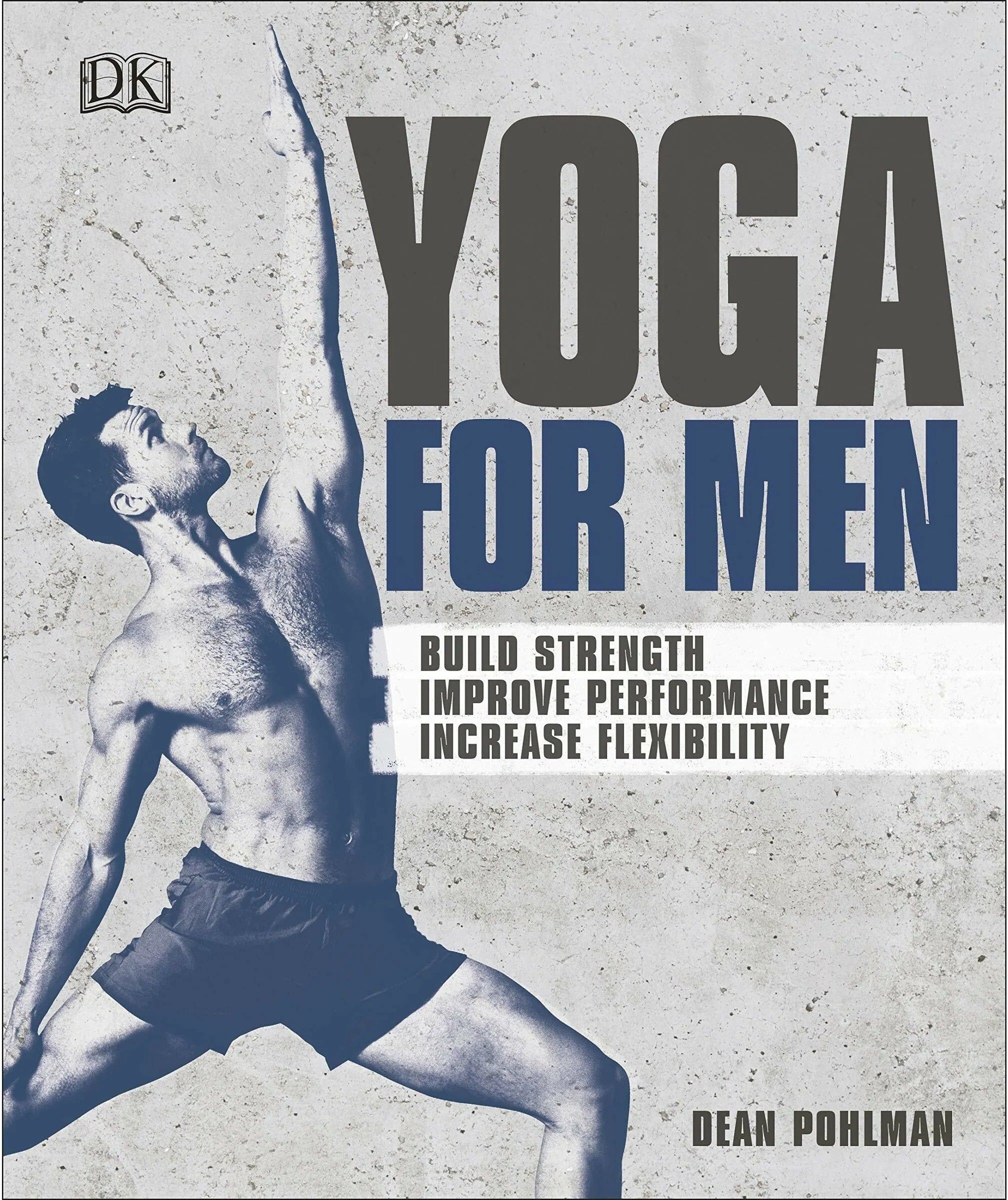
Yoga For Men: Build Strength, Improve Performance, Increase Flexibility by Dean Pohlman - DK Paperback - Men's Fitness & Sports Yoga Guide with 50+Yoga for men: build strength, improve performance with this practical fitness guide. Written by Dean Pohlman, founder of Man Flow Yoga, it strips yoga back to its core for men who train hard. This book treats yoga as a training tool, not a lifestyle change, and provides clear photography and step-by-step instruction for over 50 key postures. It's aimed at the male body and typical male tightness patterns, making every posture approachable for beginners and seasoned athletes alike. With precise coaching cues and full-colour photographs, this guide helps you improve mobility, strengthen your core, reduce injuries, and enhance performance in the gym or on the pitch.9,99 £*Shipping: 2,99 £Secure redirect to the provider
-
Inspire Essentials Sacred Geometry Crystal Set Platonic Solid Healing Stones For Chakra Balance And Energy Alignment 22Feel a deeper sense of calm and connection with this beautifully crafted sacred geometry crystal set, designed to bring harmony into your space and energy into your daily rituals. Each piece represents a Platonic solid, making it perfect for those...184,98 $*Shipping: 0,00 $Secure redirect to the provider


-
'Why don't I have muscle soreness after strength training?'
There are a few possible reasons why you may not experience muscle soreness after strength training. It could be that you are not lifting heavy enough weights or not performing enough repetitions to cause muscle damage. Additionally, your body may have adapted to the exercises you are doing, leading to less soreness over time. It's also possible that you are effectively managing your recovery through proper nutrition, hydration, and rest, which can help reduce muscle soreness. If you are concerned about the lack of muscle soreness, it may be helpful to reassess your workout routine and consult with a fitness professional to ensure you are effectively challenging your muscles. **
-
Does one eventually stop getting muscle soreness with regular strength training?
Muscle soreness is a common occurrence, especially for beginners or after a period of increased intensity or new exercises. With regular strength training, the body adapts and becomes more efficient at repairing and recovering from the stress of exercise, which can lead to a decrease in muscle soreness over time. However, it's important to note that muscle soreness can still occur, especially after challenging workouts or when introducing new exercises or increasing intensity. Additionally, individual factors such as genetics, hydration, nutrition, and sleep can also impact muscle soreness. **
-
I only have muscle soreness in my right leg from strength training.
Muscle soreness in one leg after strength training is common and typically occurs when one leg is worked more than the other during exercises like lunges, squats, or single-leg movements. This imbalance in muscle activation can lead to soreness in the dominant leg. To address this issue, it's important to ensure proper form and technique during exercises to distribute the workload evenly between both legs. Additionally, incorporating unilateral exercises and focusing on balance and symmetry in your strength training routine can help prevent muscle imbalances and reduce soreness in one leg. **
-
Is it possible to do strength training despite having biceps muscle soreness?
Yes, it is possible to do strength training despite having biceps muscle soreness. It is important to listen to your body and not push through severe pain, but mild to moderate soreness should not prevent you from continuing with your strength training routine. In fact, light to moderate exercise can help alleviate muscle soreness by increasing blood flow to the affected area. It is important to focus on different muscle groups and allow for adequate rest and recovery to prevent overtraining and further muscle soreness. **


'Muscle soreness or backache?'
Muscle soreness is typically caused by overexertion or a new or intense workout, and it usually resolves on its own within a few days. Backache, on the other hand, can be caused by a variety of factors such as poor posture, muscle strain, or underlying medical conditions. It's important to differentiate between the two in order to determine the appropriate treatment. If the pain persists or worsens, it's best to consult a healthcare professional for an accurate diagnosis and treatment plan. **
Muscle soreness or muscle tear?
Muscle soreness is a common condition that occurs after intense physical activity and is characterized by discomfort and stiffness in the muscles. It is usually a temporary condition that improves with rest and proper recovery. On the other hand, a muscle tear is a more serious injury that involves the actual tearing of muscle fibers, resulting in pain, swelling, and sometimes bruising. It is important to differentiate between muscle soreness and muscle tear, as a tear may require medical attention and a longer recovery period. **
Top-Angebote
Products related to Soreness:
-
Yoga For Men: Build Strength, Improve Performance, Increase Flexibility by Dean Pohlman - DK Paperback - Men's Fitness & Sports Yoga Guide with 50+Yoga for men: build strength, improve performance with this practical fitness guide. Written by Dean Pohlman, founder of Man Flow Yoga, it strips yoga back to its core for men who train hard. This book treats yoga as a training tool, not a lifestyle change, and provides clear photography and step-by-step instruction for over 50 key postures. It's aimed at the male body and typical male tightness patterns, making every posture approachable for beginners and seasoned athletes alike. With precise coaching cues and full-colour photographs, this guide helps you improve mobility, strengthen your core, reduce injuries, and enhance performance in the gym or on the pitch.9,99 £*Shipping: 2,99 £Secure redirect to the provider
-
Inspire Essentials Sacred Geometry Crystal Set Platonic Solid Healing Stones For Chakra Balance And Energy Alignment 22Feel a deeper sense of calm and connection with this beautifully crafted sacred geometry crystal set, designed to bring harmony into your space and energy into your daily rituals. Each piece represents a Platonic solid, making it perfect for those...184,98 $*Shipping: 0,00 $Secure redirect to the provider
-
Is muscle soreness after strength training good or bad?
Muscle soreness after strength training is a normal response to the stress placed on the muscles during exercise. It is generally a sign that the muscles are adapting and getting stronger. However, excessive or prolonged muscle soreness can be a sign of overtraining or improper recovery, which can lead to injury. Therefore, while some muscle soreness is a natural part of the muscle-building process, it is important to listen to your body and ensure proper rest and recovery to avoid potential negative effects. **
-
Should one continue with strength training despite muscle soreness?
Yes, one can continue with strength training despite muscle soreness. It is normal to experience muscle soreness after a workout, especially if you are new to strength training or have increased the intensity of your workouts. Continuing with strength training can actually help alleviate muscle soreness over time as your body adapts to the exercises. It is important to listen to your body and adjust the intensity or type of exercises if the soreness is severe or affecting your ability to perform the movements properly. Additionally, incorporating rest days and proper recovery techniques such as stretching, foam rolling, and adequate nutrition can help manage muscle soreness and support your strength training routine. **
-
'Why don't I have muscle soreness after strength training?'
There are a few possible reasons why you may not experience muscle soreness after strength training. It could be that you are not lifting heavy enough weights or not performing enough repetitions to cause muscle damage. Additionally, your body may have adapted to the exercises you are doing, leading to less soreness over time. It's also possible that you are effectively managing your recovery through proper nutrition, hydration, and rest, which can help reduce muscle soreness. If you are concerned about the lack of muscle soreness, it may be helpful to reassess your workout routine and consult with a fitness professional to ensure you are effectively challenging your muscles. **
-
Does one eventually stop getting muscle soreness with regular strength training?
Muscle soreness is a common occurrence, especially for beginners or after a period of increased intensity or new exercises. With regular strength training, the body adapts and becomes more efficient at repairing and recovering from the stress of exercise, which can lead to a decrease in muscle soreness over time. However, it's important to note that muscle soreness can still occur, especially after challenging workouts or when introducing new exercises or increasing intensity. Additionally, individual factors such as genetics, hydration, nutrition, and sleep can also impact muscle soreness. **
Similar search terms for Soreness
-
Inspire Essentials Sacred Geometry Crystal Set Platonic Solid Healing Stones For Chakra Balance And Energy Alignment 13Feel a deeper sense of calm and connection with this beautifully crafted sacred geometry crystal set, designed to bring harmony into your space and energy into your daily rituals. Each piece represents a Platonic solid, making it perfect for those...184,98 $*Shipping: 0,00 $Secure redirect to the provider
-
Inspire Essentials Sacred Geometry Crystal Set Platonic Solid Healing Stones For Chakra Balance And Energy Alignment 12Feel a deeper sense of calm and connection with this beautifully crafted sacred geometry crystal set, designed to bring harmony into your space and energy into your daily rituals. Each piece represents a Platonic solid, making it perfect for those...184,98 $*Shipping: 0,00 $Secure redirect to the provider
-
I only have muscle soreness in my right leg from strength training.
Muscle soreness in one leg after strength training is common and typically occurs when one leg is worked more than the other during exercises like lunges, squats, or single-leg movements. This imbalance in muscle activation can lead to soreness in the dominant leg. To address this issue, it's important to ensure proper form and technique during exercises to distribute the workload evenly between both legs. Additionally, incorporating unilateral exercises and focusing on balance and symmetry in your strength training routine can help prevent muscle imbalances and reduce soreness in one leg. **
-
Is it possible to do strength training despite having biceps muscle soreness?
Yes, it is possible to do strength training despite having biceps muscle soreness. It is important to listen to your body and not push through severe pain, but mild to moderate soreness should not prevent you from continuing with your strength training routine. In fact, light to moderate exercise can help alleviate muscle soreness by increasing blood flow to the affected area. It is important to focus on different muscle groups and allow for adequate rest and recovery to prevent overtraining and further muscle soreness. **
-
'Muscle soreness or backache?'
Muscle soreness is typically caused by overexertion or a new or intense workout, and it usually resolves on its own within a few days. Backache, on the other hand, can be caused by a variety of factors such as poor posture, muscle strain, or underlying medical conditions. It's important to differentiate between the two in order to determine the appropriate treatment. If the pain persists or worsens, it's best to consult a healthcare professional for an accurate diagnosis and treatment plan. **
-
Muscle soreness or muscle tear?
Muscle soreness is a common condition that occurs after intense physical activity and is characterized by discomfort and stiffness in the muscles. It is usually a temporary condition that improves with rest and proper recovery. On the other hand, a muscle tear is a more serious injury that involves the actual tearing of muscle fibers, resulting in pain, swelling, and sometimes bruising. It is important to differentiate between muscle soreness and muscle tear, as a tear may require medical attention and a longer recovery period. **
* All prices are inclusive of VAT and, if applicable, plus shipping costs. The offer information is based on the details provided by the respective shop and is updated through automated processes. Real-time updates do not occur, so deviations can occur in individual cases. ** Note: Parts of this content were created by AI.